
A New Image Model: Portraits That Match Your Characters
September 19, 2026
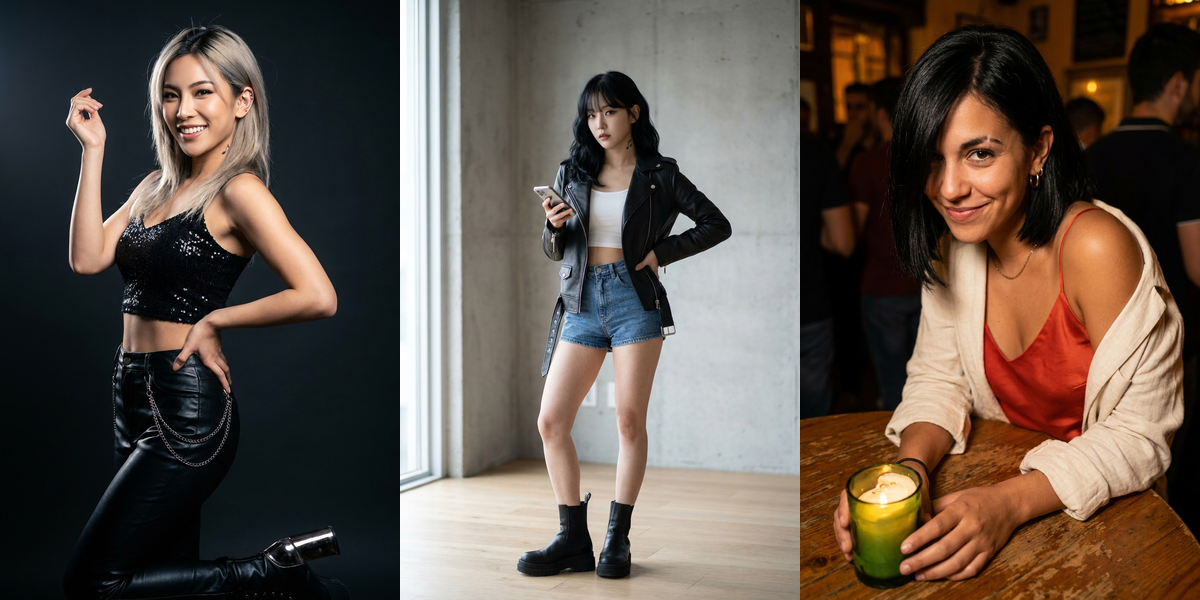
Character portraits on MindStage just took a big step forward. We have moved base avatar generation to a new image model and rebuilt the way we write prompts for it. The result is faces that look like the people you wrote, wearing what you said they wear, in the world you put them in.
The picture now matches the character
Our previous model had a strong opinion about how everyone should look. Every face got the same polished studio finish, and it mostly ignored the details we gave it. That is over. The new model listens, so the look is decided by the character sheet and the visual style, not by the model's own habits.
- Outfits are exact. Whatever the character sheet says they are wearing is what you see, down to the color and the material.
- Age, ethnicity and build carry through. The whole sheet reaches the model now, so it stops guessing and stops inventing.
- Real skin. Characters can look like actual people again, not retouched magazine covers, unless that is the look the story calls for.
From candid to glamour
Every character now has a register, a point on the scale from candid to glamour. A candid character looks caught in the moment: natural light, no makeup, an honest expression. A glamour character gets the lighting, the grooming and the gaze to match. Each visual style has a sensible default, and the writer can set it per character. The register changes how the portrait is shot, never who the person is or what they are wearing.
Genre-aware shots
A fantasy or period character used to come out looking like a modern person in a costume. Contemporary scenes now get a proper camera and lens brief, while fantasy, historical and science fiction scenes are framed as film stills with their own shot direction. Casts are also framed to alternate between three-quarter and full-length, so a group of characters reads as a group and not as five copies of the same portrait.
Consistency during play
Avatars that update as the story unfolds now run on a new editing model too. The current portrait is the reference, so the face stays the face and the outfit stays the outfit unless the story changes it. The first in-story frame no longer quietly re-dresses your character.
What you need to do
Nothing. New scenarios pick this up automatically, and every avatar you regenerate from the Avatar Studio uses the new pipeline. Try a scenario with a strong visual style, or open a character and ask for a new look, and see the difference for yourself.